
Empowering Institutions with Smart Solutions
Helping institutions grow smarter with innovative solutions, simplifying management and boosting productivity.

Get a Live Demo for ERP today!
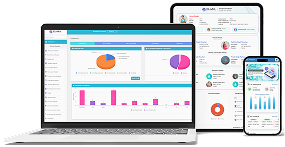
Helping institutions grow smarter with innovative solutions, simplifying management and boosting productivity.
5 Common Mistakes Schools Make During ERP Implementation
Implementing an ERP system is a major milestone for any educational institution. It promises streamlined operations, improved data access, and better collaboration across departments. However, many schools face roadblocks that delay progress, lower adoption, or cause dissatisfaction—mostly due to common yet avoidable mistakes. As a trusted ERP partner, Clara has seen these challenges firsthand and knows exactly how to steer institutions clear of them.
The mistake: ERP decisions are often made by a small admin group, excluding teachers, coordinators, or IT staff. This can lead to misalignment between user needs and the final solution. How to avoid it: Involve key stakeholders—principals, teachers, office staff, IT heads—early in the process. Their input ensures better buy-in and a system that truly supports day-to-day operations.

The mistake: Schools assume the ERP will be intuitive and skip formal training. This results in poor adoption, resistance to change, and frequent support calls. How to avoid it: Invest in thorough onboarding and role-based training. Clara offers tailored training sessions, quick-start guides, and ongoing support to make transitions seamless and confident.
The mistake: Institutions activate all ERP modules simultaneously, overwhelming the staff and leading to confusion or errors. How to avoid it: Start with the most critical modules (like attendance, fee, and communication) and gradually roll out others. Clara recommends a phased implementation plan based on each school’s pace and priorities.
Academic assessments are at the core of education. An ERP ensures that exam schedules, marks entry, report cards, and progress analytics are managed efficiently. Teachers save time, students get timely results, and parents receive insights into their child’s academic trajectory—all from one dashboard. Visual analytics also help educators identify struggling students early and tailor interventions.
Automation in attendance is no longer optional—it’s a necessity. A modern ERP should integrate with smart hardware like RFID cards or biometric scanners to record accurate attendance data in real time. This minimizes errors, improves security, and saves valuable classroom time. The system should be configured to send instant SMS or app notifications to parents about absenteeism or late arrivals, reinforcing student safety and accountability.
The mistake: Schools get dazzled by flashy features instead of focusing on usability, support, and long-term alignment with their processes. How to avoid it: Choose an ERP that fits your institution’s real needs—not just the most features. Clara’s consultative approach ensures each school gets a tailored, scalable solution that grows with them.
ERP implementation doesn’t have to be daunting. With the right approach, clear communication, and a reliable partner like Clara, schools can avoid costly errors and set the foundation for long-term digital success. We’ve helped 100+ institutions across India and the Middle East make this journey—and we’re ready to guide yours too.

Learn More

Learn More
Learn More
Learn More
Transform your operations with innovative solutions designed for efficiency, growth, and success. Let’s create something extraordinary together.